Mild, flaky, and completely safe once cleaned — lionfish cooks up like grouper or snapper. Every plate served is a fish that isn't on the reef anymore.
Safety first: it's the spines, not the meat. A lionfish's venom lives in roughly 18 dorsal, pelvic, and anal spines — never in the flesh. Once a trained handler removes the spines and fillets the fish (heavy gloves and kitchen shears do the job), the meat is entirely safe to handle and eat. Heat also destroys the venom completely, so even a spine that slipped through is neutralized by cooking.
According to a University of South Florida / USGS study of Florida Keys lionfish, mercury concentrations in lionfish muscle tissue were consistently lower than several established predatory food fish and well under the FDA's limited-consumption threshold — consistent with Seafood Watch and FDA/EPA guidance that smaller, lower-on-the-food-chain species like lionfish tend to accumulate far less mercury than long-lived apex predators such as king mackerel, swordfish, or bigeye tuna. Lionfish isn't yet individually rated by Seafood Watch, but it fits the same low-mercury profile as the sustainable, everyday seafood on their "Super Green List."
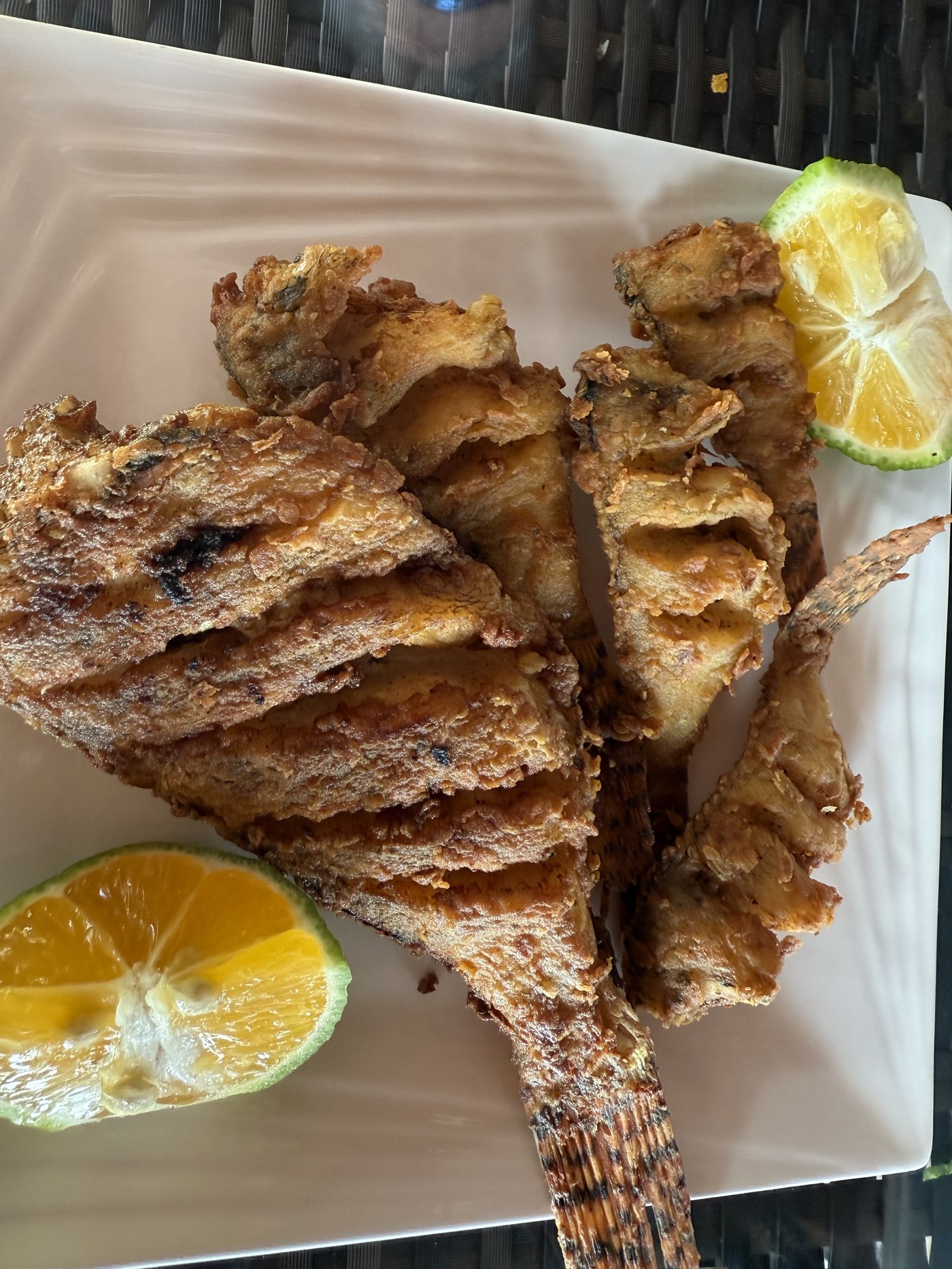
The simplest, most traditional way lionfish is served up and down the Panamanian coast — scored, fried whole, and finished with lime. This is exactly the dish our own crew eats straight off the boat.
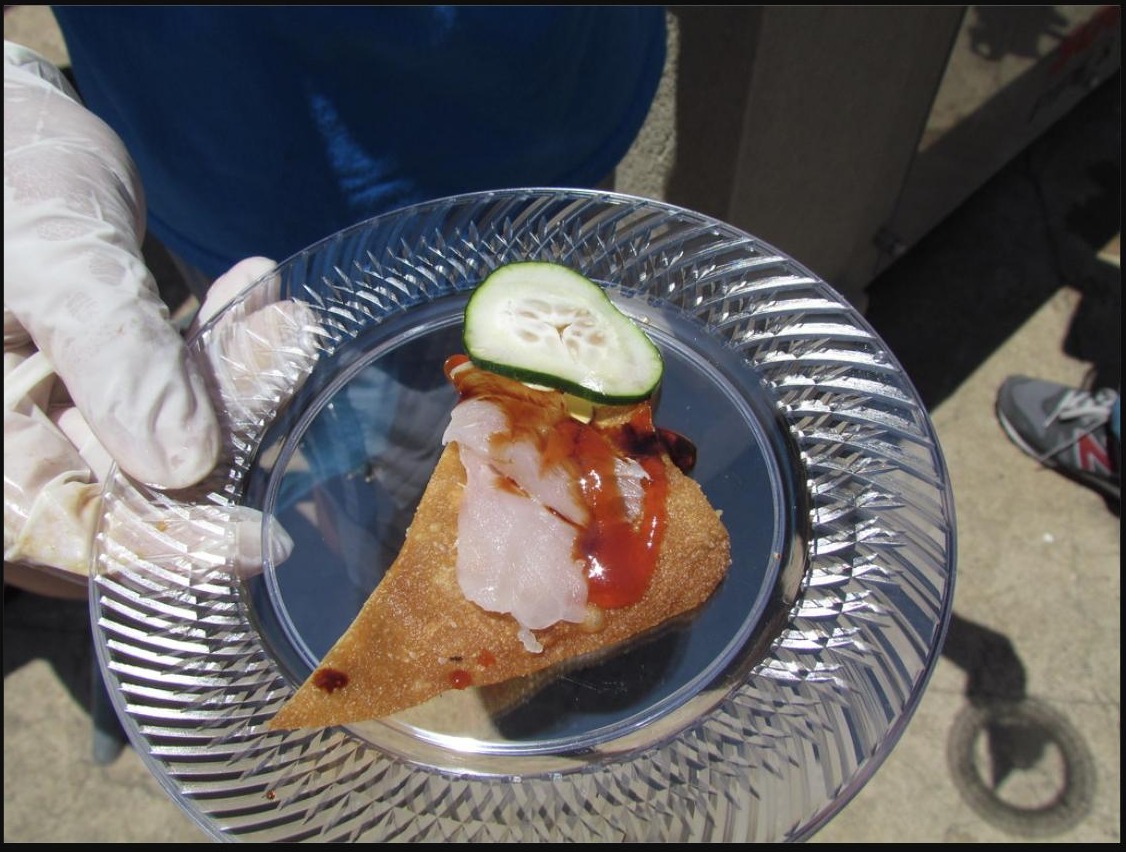
A bright, lime-cured ceviche spooned onto a crispy fried tostone (patacón) — the bite-sized format you'll see at derbies, tastings, and lionfish awareness festivals up and down the Caribbean.
Method: Cure the diced fish in lime juice 20–30 minutes until opaque, drain most of the juice, fold in the onion, tomato, and cucumber. Spoon onto fried tostones, top with a cucumber slice and a drizzle of hot sauce, and serve immediately while the tostone is still crisp.
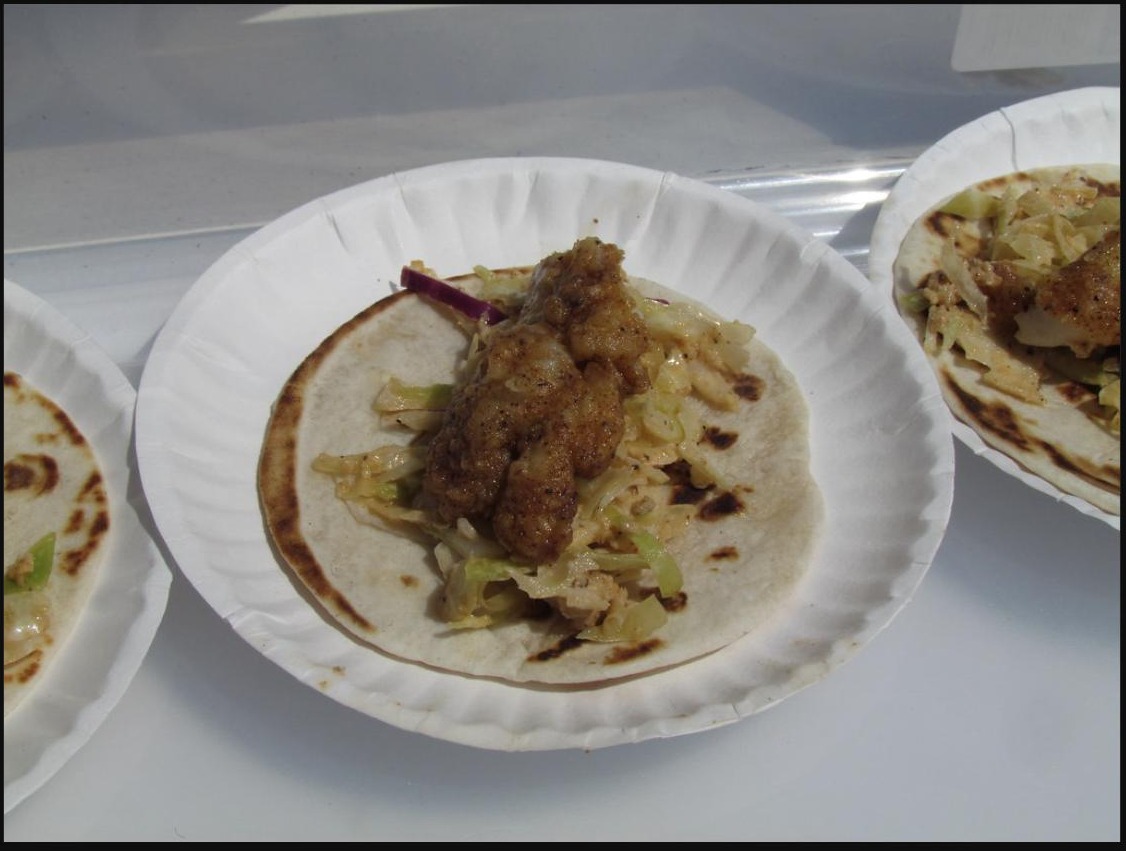
A crowd-pleasing, restaurant-ready dish that shows lionfish off as a "premium invasive" — crispy breaded fish piled onto a warm tortilla with a simple cabbage slaw.
Method: Dredge fish strips in egg, then seasoned flour. Fry in hot oil 2–3 minutes per side until golden and crisp. Warm the tortillas, pile with cabbage slaw and red onion, top with the fried fish, and finish with a squeeze of lime.
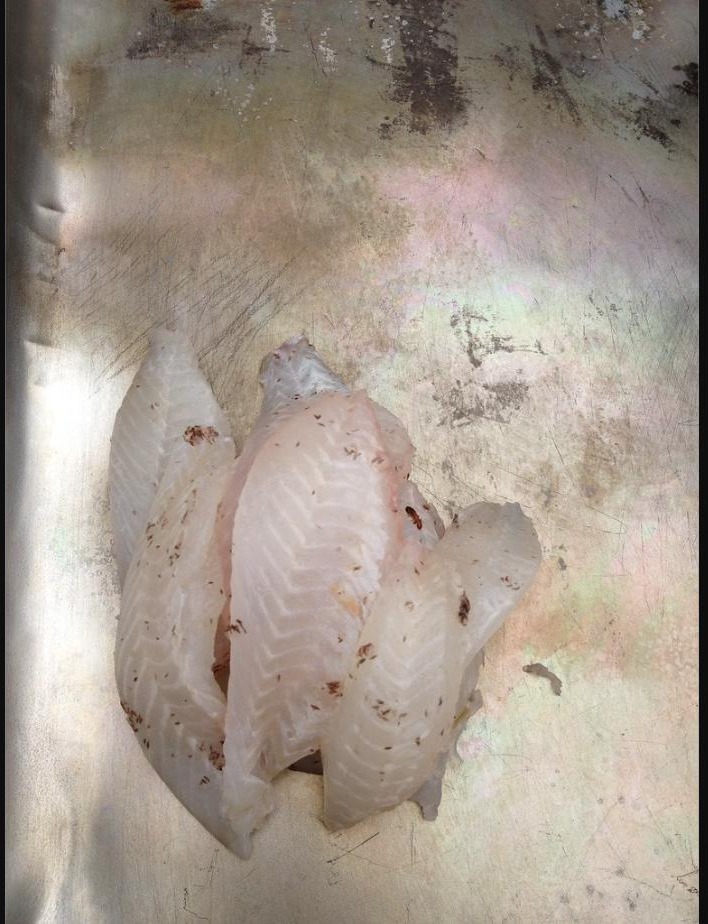
This is what a trained handler hands you once the spines are gone and the fish is filleted — clean, white, and ready to cook like any other mild fish. Pan-searing it in herb butter is the simplest way to let good, fresh lionfish speak for itself, and a great "first taste" dish for skeptical guests.
Method: Season fillets, sear skin-side down 3 minutes in hot oil, flip, add butter and garlic, baste 1–2 minutes until just cooked through. Finish with lemon juice and herbs.
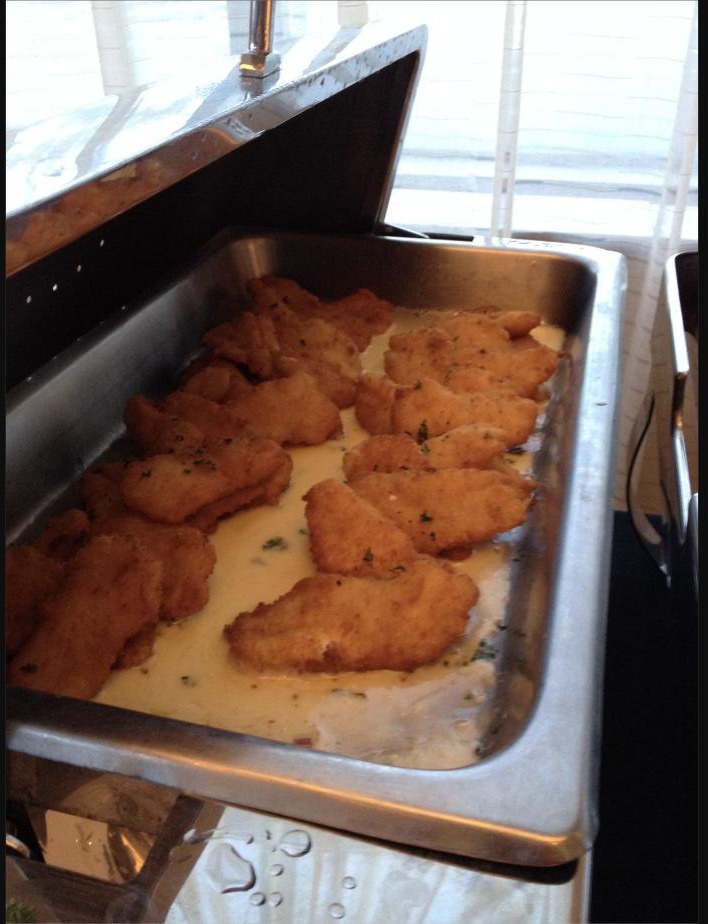
A buffet-and-derby favorite: breaded fillet pieces fried until deeply golden, held warm in a light lemon-butter sauce. Easy for restaurants and events to plate for a crowd trying lionfish for the first time.
Method: Dredge fish in flour, egg, then breadcrumbs. Fry in hot oil until golden and cooked through, about 3–4 minutes per side. Warm butter, lemon juice, and a splash of cream in a pan and spoon over the fried pieces just before serving.
We built a full toolkit to help you source lionfish, train staff on safe handling, and turn it into a marketing story your guests won't forget.
Open the Restaurant Toolkit →Submit it below — every recipe here comes from a diver, chef, or home cook putting lionfish on their own table.
No community recipes yet — share yours below and be the first!
Live feed not loading? Some browsers block the embedded feed above — the button always works and takes you straight to our Facebook Page.
Sources: USGS / Florida Keys National Marine Sanctuary mercury study, Monterey Bay Aquarium Seafood Watch — Super Green List. Full citation list on our About & Sources page.
Recipe photos: Florida Fish and Wildlife Conservation Commission (MyFWC), taken at Lionfish Removal and Awareness Day events, used under CC BY-ND 2.0.