It isn't just that they're not supposed to be here. Lionfish actively unravel the systems that keep a reef alive.
Every healthy reef depends on a balance between predators, prey, and the herbivores that graze algae down before it can smother coral. Lionfish break that balance in two ways at once: they eat too much, and nothing eats them.
Research published by NOAA found that a single lionfish can reduce the recruitment of native reef fish — the young fish that would otherwise grow up and repopulate the reef — by as much as 79 percent on an invaded patch reef. Lionfish are ambush predators with expandable stomachs; they've been documented eating prey up to about half their own body length, and can eat prey items far more frequently than native predators of similar size.
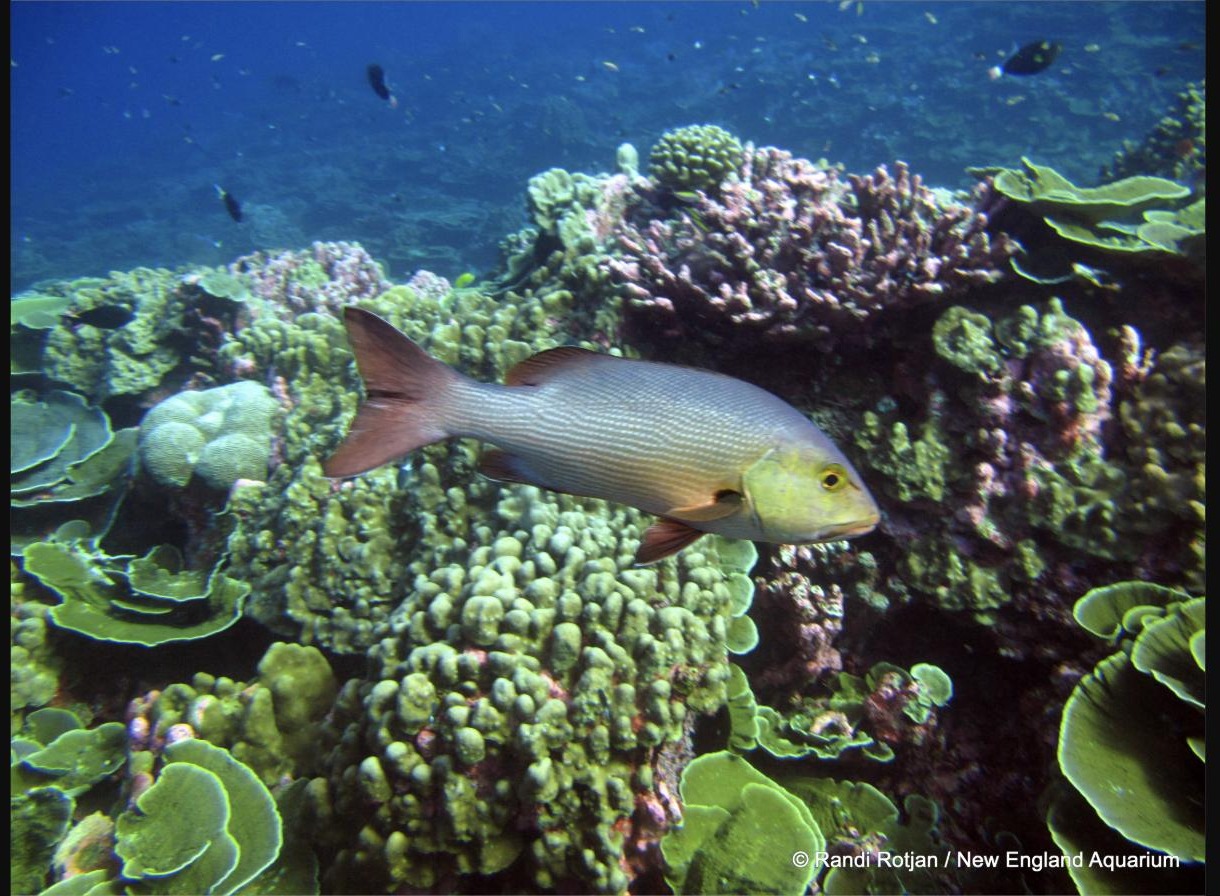
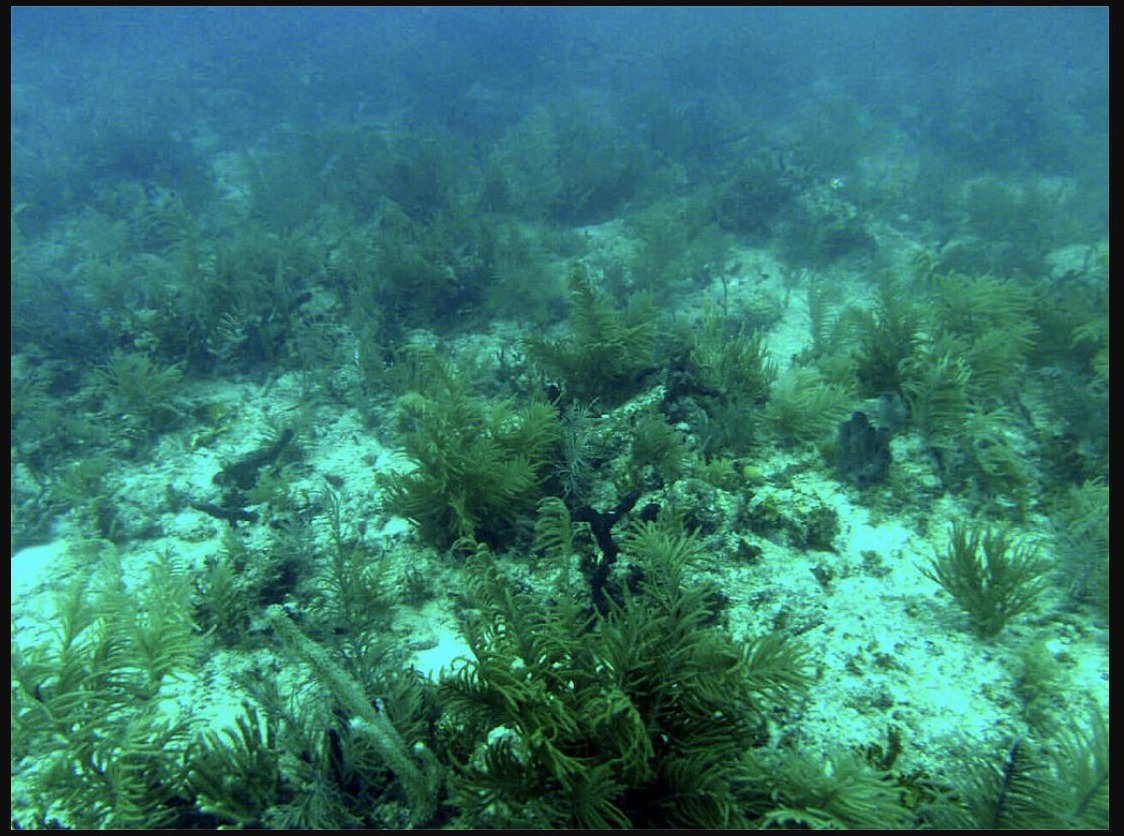
Many of the small fish lionfish prey on are herbivores — species like parrotfish and surgeonfish that graze algae off the reef and keep it from overgrowing coral. Remove enough of those grazers, and algae growth goes unchecked. Algae can then block sunlight, compete with coral for space, and stunt coral growth and recovery, compounding damage from bleaching, disease, and pollution.
Snapper, grouper, and other commercially and recreationally important species rely on many of the same small fish and crustaceans lionfish consume. In heavily invaded areas, lionfish have been shown to out-compete native predators for food, putting additional pressure on fisheries that coastal communities depend on.
A female lionfish can spawn every few days year-round once mature, releasing gelatinous egg masses that can drift for weeks on ocean currents before hatching — which is part of why the invasion spread from Florida to South America in roughly two decades. Without natural predators or disease keeping numbers in check, populations in invaded areas can reach several times the density found in their native Indo-Pacific range.
Lionfish don't operate in isolation. Coral reefs across the Caribbean are already under pressure from warming water, bleaching, disease, pollution, and overfishing. Lionfish predation adds another chronic stressor on top of all of it — and several coral species in lionfish-affected regions have since been listed as threatened.
Unlike ocean warming or pollution, lionfish control is something divers, fishermen, and communities can act on directly — and studies of derby-style and diver-led removals consistently show that sustained culling reduces local lionfish density and allows native fish populations to recover. That's the entire premise behind this project: the reef doesn't need us to solve climate change to get some relief. It needs us to remove lionfish, and keep removing them.
See who's doing the removal work →Sources: NOAA Fisheries, World Resources Institute, Lionfish Central. Full citation list on our About & Sources page.
Photos: healthy reef by Randi Rotjan / New England Aquarium (CC BY-SA 4.0); depleted, algae-overgrown reef by FWC Research (CC BY-NC-ND 2.0).